Hiya Sync - Image 1
Hiya Sync - Image 2

Hiya Sync

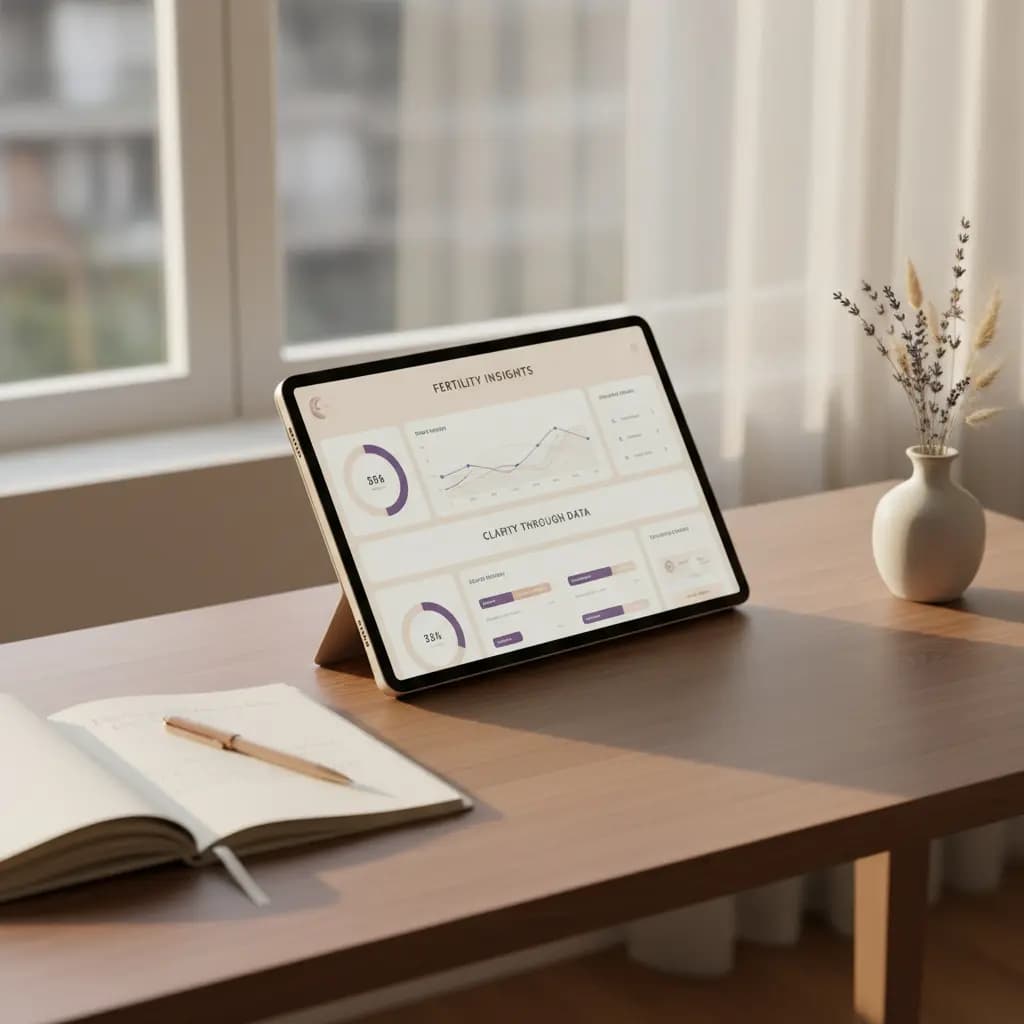
Hormones shift across your cycle — and a single test day often misses the full picture. Hiya Sync measures your hormones at two key points: Day 3 (your baseline) and your luteal phase (typically around Day 21 in a regular cycle). This allows you to see whether you’re ovulating, how well your cycle is regulated, and whether your hormone levels rise and fall in sync. It’s especially useful if you experience irregular cycles, short luteal phases, spotting before/after your period, or aren’t sure if you’re ovulating — even when standard tests say everything looks “normal.” Your results include a doctor-reviewed interpretation and clear guidance on what’s in range, what’s not, and what it could mean for your hormonal health.
  • Analysed byISO-accredited lab

  • Tracked 24–48 hourdelivery

  • Personalisedclinician advice

  • Professional sample collectionFlexible sampling options

When to get test: During your baseline (around Day 3) and luteal phase (typically around Day 21) — Hiya helps you identify the right days based on your cycle pattern.

What's Measured

FSH, LH, Estradiol, and Progesterone — tested during your baseline and luteal phase

💧4 Biomarkers

FSH is a pituitary hormone essential for reproductive health. In women, it stimulates the growth and maturation of ovarian follicles, leading to egg development and estrogen production. In men, it regulates spermatogenesis by acting on Sertoli cells in the testes. Abnormal levels can indicate infertility, polycystic ovary syndrome (PCOS), or pituitary dysfunction.

LH is another pituitary hormone that works closely with FSH to regulate the reproductive system. In women, a surge in LH triggers ovulation and the formation of the corpus luteum, which produces progesterone. In men, LH stimulates Leydig cells to produce testosterone. Imbalances may signal infertility, delayed puberty, or hormonal disorders.

Estradiol is the most potent form of estrogen, primarily produced by the ovaries. It regulates the menstrual cycle, stimulates endometrial growth, and influences secondary sexual characteristics. Estradiol also plays vital roles in bone density, cardiovascular health, and mood regulation. Abnormal levels can be linked to infertility, menopause symptoms, or endocrine disorders.

What's Measured

FSH, LH, Estradiol, and Progesterone — tested during your baseline and luteal phase

💧4 Biomarkers

FSH is a pituitary hormone essential for reproductive health. In women, it stimulates the growth and maturation of ovarian follicles, leading to egg development and estrogen production. In men, it regulates spermatogenesis by acting on Sertoli cells in the testes. Abnormal levels can indicate infertility, polycystic ovary syndrome (PCOS), or pituitary dysfunction.

LH is another pituitary hormone that works closely with FSH to regulate the reproductive system. In women, a surge in LH triggers ovulation and the formation of the corpus luteum, which produces progesterone. In men, LH stimulates Leydig cells to produce testosterone. Imbalances may signal infertility, delayed puberty, or hormonal disorders.

Estradiol is the most potent form of estrogen, primarily produced by the ovaries. It regulates the menstrual cycle, stimulates endometrial growth, and influences secondary sexual characteristics. Estradiol also plays vital roles in bone density, cardiovascular health, and mood regulation. Abnormal levels can be linked to infertility, menopause symptoms, or endocrine disorders.

Why Take This Test

To assess ovulation and overall cycle balance.

Who It's For

• Women with PMS, spotting, or short luteal phases

• Women who aren’t sure if they’re ovulating

• Women tracking cycles for fertility or hormonal regulation

Your Aftercare Journey

What happens after your test

Your Results
|1

Your Results

You receive clear, doctor-reviewed reports at each stage of testing — a Day 3 baseline panel, a luteal-phase progesterone report, and a final overview that brings both results together. Each one explains what’s in range, what’s not, and what these patterns may mean for your cycle health.

Why It Matters

Understanding your hormone levels across the cycle gives you a clearer view of ovulation, cycle balance, and how your hormones work together — helping you make informed decisions without guessing.

Your Care Plan
|2

Your Care Plan

Based on your results, you receive lifestyle recommendations designed to support your hormonal health — including nutrition, movement, sleep, and stress guidance tailored to your cycle pattern. You also have access to a doctor consultation to review your results, ask questions, and understand next steps.

Why It Matters

A personalised plan helps you connect your results to daily choices in a realistic and supportive way, so you feel informed and in control rather than overwhelmed.

Follow-up & Support
|3

Follow-up & Support

You receive reminders for your second test if your package includes two sampling days, ensuring you capture both phases accurately. When needed, we offer referral pathways to partner clinics for additional support. Inside the Hiya app, you also access educational content that helps you understand your hormones and your cycle with confidence.

Why It Matters

You’re not left to interpret your results alone. Consistent reminders, clear guidance, and access to the right clinicians help you move forward with clarity and care.

Product Information

Frequently Asked Questions

Everything you need to know about this test

Background Texture